

It's crucial to find fitness routines that align with your personality and lifestyle, especially if you're an introvert seeking anxiety relief through gentle home workouts. You might prefer quiet exercises that allow you to connect with your body without overwhelming stimulation. This guide will explore effective home workouts tailored for introverts, helping you foster a peaceful environment while enhancing your well-being. For more tips on creating your ideal space, check out The Introvert's Guide to Home Gym Success: Your Perfect ….
Understanding Introversion and Its Impact on Fitness
Before you launch on your fitness journey, it's important to understand the nuances of introversion. Introverts often prefer solitary activities and may feel drained in social settings. This inherent trait can influence your approach to fitness, making group workouts feel overwhelming. Tailoring your exercise routine to align with your personality can enhance your motivation and promote a sustainable practice, ultimately leading to a healthier lifestyle.
The Relationship Between Introversion and Anxiety
Beside the benefits of quiet workouts, understanding the link between introversion and anxiety is vital. Introverts may experience higher anxiety levels, especially in crowded or high-stimulation environments. This can lead to avoidance of fitness activities that require social interaction, causing you to miss out on important mental and physical health benefits.
Benefits of Exercise for Introverts
Impact on your mental health can be profound when you engage in exercise tailored to your introverted nature. Physical activity can act as a powerful tool for reducing anxiety and enhancing your mood. By incorporating low-key workouts into your routine, you can experience both physical strength and emotional balance, ultimately promoting a healthier lifestyle.
Consequently, regular exercise not only helps you manage anxiety but also boosts your self-esteem and enhances your overall well-being. Quiet home workouts provide a safe space for you to explore various activities, leading to improved focus and clarity. The solitude allows you to connect with your body and mind without the stress of external pressures. By prioritizing your needs through fitness, you cultivate a tranquil environment that respects your introverted nature, fostering a positive outlook on life.
Designing a Quiet Home Workout Environment
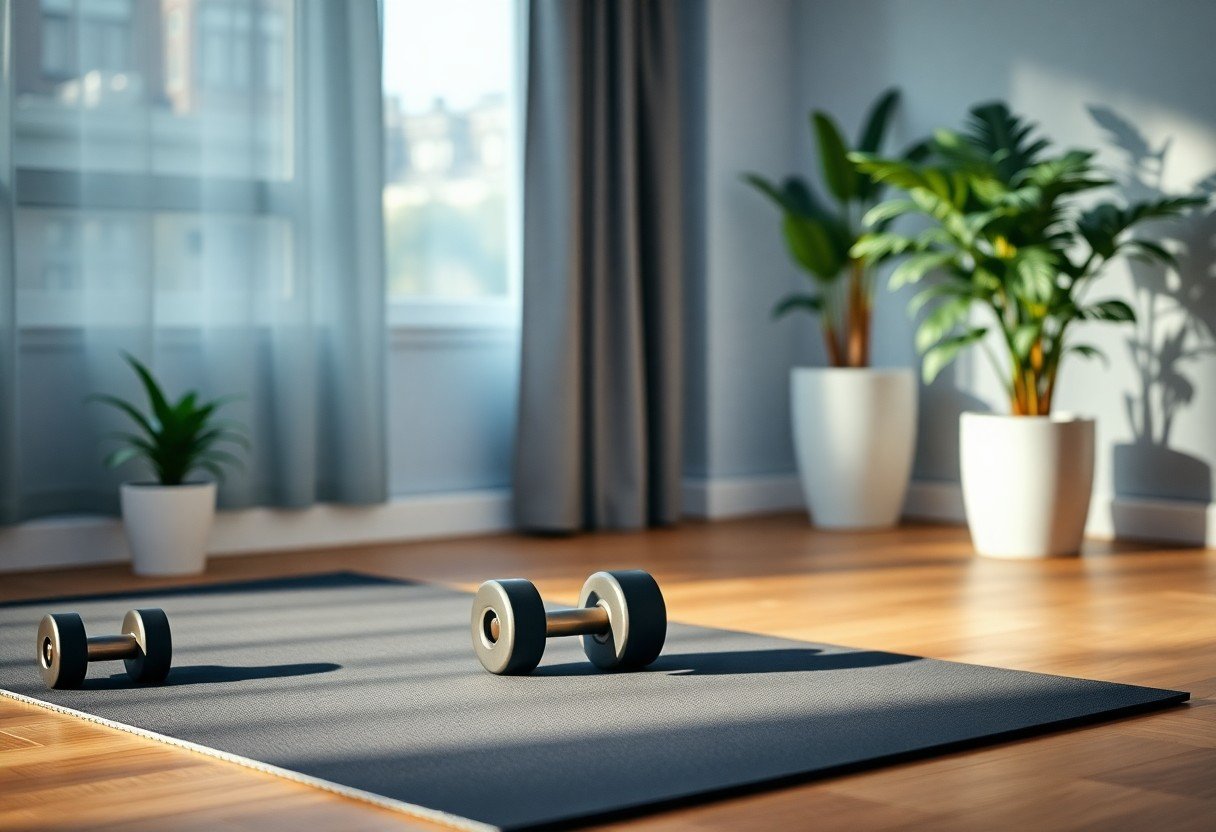
Even in the comfort of your home, creating a tranquil workout space can significantly enhance your Anxiety Exercises to Help You Relax. Begin by selecting a dedicated area within your home that is free from distractions. Dim the lights or use calming colors, and provide gentle soundscapes to foster a peaceful atmosphere. Incorporate elements that make you feel at ease, such as plants, soft fabrics, or personal mementos, making the space genuinely yours.
Creating a Calming Space
Creating a calming space is important for reducing anxiety and enhancing the enjoyment of your workouts. Choose a quiet corner where you feel safe and can easily focus. Keep your environment clutter-free to promote tranquility; consider the power of soft lighting and calming scents through important oils. Each detail contributes to your sense of peace, encouraging a deeper connection between body and mind during your fitness routine.
Essential Equipment for Home Workouts
Among the important equipment for home workouts, a few impactful items can make all the difference in your fitness journey. You don't need an extensive gym setup—simple tools such as yoga mats, resistance bands, and light dumbbells are effective for a variety of exercises. Additionally, a stability ball or a jump rope can introduce fun and versatility to your routine. Opt for equipment that fits easily into your space and aligns with your comfort level.
Calming your mind and body can be complemented by using the right tools. Select lightweight dumbbells or resistance bands that won't overwhelm your space or your energy levels. A yoga mat can provide comfort during stretching or meditation, making it a must-have for your calming routine. However, avoid complex machines that may be intimidating; instead, focus on items that support mindfulness and promote a sense of well-being during your practice.
Low-Impact Workouts for Anxiety Relief
Any workout can contribute to reducing anxiety, but low-impact exercises offer a gentle approach to fitness. They minimize stress on your joints while still providing effective mental and physical benefits. These workouts allow you to connect with your body in a quiet, soothing environment, making them perfect for introverts seeking calm without the chaos of a gym. Incorporating low-impact activities into your routine can create a sense of control, help you unwind, and promote overall wellness.
Yoga and Stretching
LowImpact yoga and stretching practices emphasize mindfulness and breath control, allowing you to focus on your body and release tension. These exercises create a serene atmosphere where you can explore your limits without feeling overwhelmed. Regularly engaging in yoga enhances flexibility and strength while promoting relaxation—ideal for alleviating anxiety and fostering a sense of calm.
Gentle Strength Training
Across the spectrum of fitness, gentle strength training can play an important role in anxiety management. You can build strength and confidence without high-intensity exercises, making it easier for you to engage physically and mentally. These workouts utilize resistance bands, light weights, or even your body weight, allowing you to progress at your own pace.
Understanding the benefits of gentle strength training can enhance your fitness journey. This training approach focuses on controlled movements and mindful breathing, helping you cultivate a stronger mind-body connection. By consistently practicing gentle strength training, you can improve your muscle tone and endurance, which in turn can lead to increased self-esteem and reduced anxiety levels. Starting with low weights helps you build confidence, and as you progress, you may find distinct joy in seeing your strength develop over time.
Mindfulness Practices to Incorporate into Workouts
Now, enhancing your fitness routine with mindfulness practices can greatly support both your physical and mental well-being. By integrating these techniques into your workouts, you can effectively reduce anxiety and cultivate a more peaceful mindset. Let's explore some simple strategies that you can implement to create a calming and centered exercise experience.
Meditation Techniques
Techniques like guided imagery and body scan meditations are fantastic ways to envelope yourself in the present moment during your workouts. By focusing on your body's sensations and visualizing a serene environment, you can integrate mental calmness with physical activity. Simply set aside a few minutes before or after your workout to engage in these practices, allowing you to ground yourself in tranquility.
Breathing Exercises
One effective way to enhance your workouts with mindfulness is through specific breathing exercises. By consciously controlling your breath, you can anchor yourself in the moment and promote relaxation. Incorporating deep, diaphragmatic breathing can help improve your focus and reduce anxiety, making your workout more enjoyable.
Plus, practicing breathing exercises can offer multiple benefits. Engaging in deep breaths not only promotes better oxygen flow but also helps in calming your nervous system. When you focus on your breath, it encourages a shift from anxious thoughts to a more centered mental state. Emphasizing exhales can release tension and foster a sense of well-being, transforming your workout into a truly enriching experience. Make breathing a central part of your routine to maximize your physical and mental health outcomes.
Establishing a Routine That Works for You
After identifying your fitness goals, it's crucial to establish a routine that aligns with your lifestyle and needs. Tailoring your workouts at home can help you maintain consistency, especially when you're seeking to reduce anxiety and stress. Consider exploring The 4 Best Workouts for Introverts to find options that resonate with your preferences. This personalized approach will empower you to stay committed while feeling comfortable in your own space.
Finding Your Ideal Time for Workouts
Around your schedule, you should determine the best times to exercise when you feel energized and focused. Experiment with morning, midday, or evening sessions to see when your motivation peaks. Creating a consistent time slot in your daily routine can facilitate the habit-forming process, ultimately leading to a more satisfying and effective workout experience.
Setting Realistic Goals
One important aspect of your fitness journey is setting realistic goals that cater to your unique capabilities and preferences. Avoid placing unnecessary pressure on yourself by establishing achievable milestones rather than lofty, overwhelming targets.
Even small, consistent achievements can lead to significant progress over time. Focus on incremental improvements, such as adding a few minutes to your workouts or trying new exercises. Be mindful not to set unattainable objectives that may lead to frustration. Celebrate your successes, no matter how minor, as they contribute to your long-term growth and motivation in your fitness journey.
Overcoming Common Barriers for Introverts
Unlike extroverts who may thrive in social settings, introverts often face unique challenges when it comes to fitness. The idea of exercising in a busy gym or participating in group classes can be overwhelming. However, by understanding and addressing these barriers, you can find a workout routine that fits your personality and lifestyle. Embracing quiet home workouts allows you to focus on your well-being without the pressure of social interactions, helping to transform fitness from a daunting task into a fulfilling part of your day.
Dealing with Self-Doubt
At times, you may find yourself grappling with self-doubt regarding your fitness journey. This can be especially pronounced for introverts who tend to be more self-reflective. Acknowledge these feelings and remind yourself that every small step counts. Celebrate your progress, no matter how minor, and understand that consistency, not perfection, is the key to success.
Staying Motivated Indoors
Introverts often excel in solitary environments, making indoor workouts an ideal choice for maintaining fitness motivation. It's imperative to create a dedicated space that feels comfortable and encourages you to exercise. Design a routine that resonates with you, integrating activities like yoga, pilates, or bodyweight exercises. Consistency is important, so make your indoor fitness regimen enjoyable and personalized to foster long-term engagement and success.
For instance, you might start by setting achievable goals for your home workouts, like completing a 10-minute yoga session each day. Incorporate elements of fun, such as listening to your favorite music while exercising or trying out different workout styles to see what resonates with you. Additionally, maintain accountability by tracking your progress or engaging with online fitness communities at your own pace. By creating a positive and personalized atmosphere, you encourage yourself to stay motivated and committed to your fitness journey.
Summing up
Taking this into account, you can find a variety of quiet workouts that cater to your introverted nature while effectively alleviating anxiety. From yoga and Pilates to meditation and tai chi, the options for exercising at home are both accessible and immensely beneficial. By establishing a consistent routine that aligns with your preferences, you empower yourself to enhance your mental and physical well-being in a calming environment. Embrace the tranquility of home workouts to nurture your body and mind, and enjoy the positive impact they can have on your daily life.
Q: What types of workouts are suitable for introverts at home?
A: Introverts often prefer workouts that can be done in solitude without the social pressures found in gyms or group classes. Suitable workouts include yoga, pilates, bodyweight exercises, and meditation. These activities not only provide physical benefits but also create a calming environment, ideal for reducing anxiety. Additionally, you might consider online fitness classes that can be streamed at home, allowing for a private workout experience.
Q: How can home workouts help with anxiety relief for introverts?
A: Home workouts can serve as a safe space for introverts to engage in physical activity without the stress of social interactions. Exercise releases endorphins, which can improve mood and reduce feelings of anxiety. Creating a consistent workout routine at home allows introverts to control their environment and tailor their fitness journey to their comfort level, increasing their overall sense of wellbeing.
Q: What equipment is necessary for effective home workouts?
A: For effective home workouts, you don't need a lot of equipment. Basic items like a yoga mat, resistance bands, or light dumbbells can be beneficial. If space allows, investing in a stability ball or adjustable weights may also enhance your workout variety. Additionally, many bodyweight exercises can be done without any equipment, making it easier to start and maintain a routine. Choosing minimal equipment allows you to create a flexible and stress-free home workout environment.
Recent Posts
It's important to evaluate whether Beachbody On Demand continues to meet your fitness needs as we enter 2025. With a range of workout programs and nutrition plans, the platform claims to cater to...
Just like having a personal trainer at your fingertips, Beachbody On Demand offers you an extensive library of on-demand workout programs accessible anytime, anywhere. This service allows you to...