

With an increasing emphasis on holistic well-being, understanding the link between gut health and energy levels is important for your overall vitality. Your gut houses a complex ecosystem of bacteria that not only aids in digestion but also significantly impacts your mood and energy. When this microbiome is out of balance, you may experience fatigue, brain fog, and a decrease in motivation. By prioritizing digestive wellness, you can unlock improved energy, better focus, and a more vibrant quality of life.
Understanding Gut Health
A healthy gut is necessary for overall well-being and affects your energy levels, mood, and immune function. Your digestive system is home to trillions of microorganisms that play a vital role in processing food, absorbing nutrients, and protecting against harmful pathogens. By maintaining good gut health, you can enhance your energy and vitality by ensuring that your body efficiently utilizes the nutrients it receives.
The Role of Gut Microbiota
An integral part of gut health is the diverse community of microorganisms known as gut microbiota. These beneficial bacteria aid in digestion, metabolize nutrients, and synthesize necessary vitamins. A balanced microbiome can positively influence your energy levels by enhancing nutrient absorption and regulating your metabolism, supporting your overall vitality.
Impact of Diet on Gut Health
A well-balanced diet is fundamental in nurturing your gut health. Your food choices directly influence the composition of your gut microbiota, with high-fiber foods promoting beneficial bacteria growth. Conversely, a diet rich in processed foods and sugars can disrupt this balance, leading to fatigue and low energy levels.
A varied diet rich in fruits, vegetables, whole grains, and fermented foods can support your gut microbiota and enhance energy production. Foods containing probiotics and prebiotics are particularly beneficial, as they nourish and promote the growth of good bacteria. On the other hand, excessive consumption of processed products, artificial additives, and refined sugars can lead to an imbalance in your gut microbiome, reducing your energy and adversely affecting your mood. Focus on incorporating nutrient-dense, whole foods into your diet to foster a thriving gut and maintain optimal energy levels.
Energy Production in the Body
If you have ever wondered how your body generates energy, it all begins with complex biochemical processes that convert food into the energy your cells need to function. This energy production is vital for maintaining your overall health, mood, and vitality, influencing how you feel throughout the day.
Metabolism and Energy Levels
Among the various factors contributing to your energy levels, metabolism plays a significant role. It is the series of chemical reactions taking place in your body that transform the food you consume into usable energy, impacting how efficiently you feel energized or fatigued.
Influence of Nutrients on Energy
Production of energy in your body is heavily influenced by the types and quality of nutrients you consume. Your body requires a balance of carbohydrates, proteins, and fats to efficiently create and sustain energy levels. Additionally, vitamins and minerals serve as co-factors in metabolic processes, aiding in the conversion of these macronutrients into energy and preventing fatigue. By prioritizing a balanced diet rich in vital nutrients, you can optimize your energy production and enhance your overall well-being.

The Gut-Brain Connection
Some studies have revealed a fascinating relationship between your gut and brain, often referred to as the gut-brain axis. This intricate communication network allows the gut to send signals to your brain and vice versa, influencing not only your digestive health but also your cognitive functions and overall energy levels. A healthy gut microbiome can help you feel more energized and focused, making it imperative to maintain a balance in your gut health.
How Gut Health Affects Mood
GutBrain research indicates that the health of your gut plays a significant role in regulating your mood. Serotonin, often considered the “feel-good” neurotransmitter, is primarily produced in your gut. When your gut flora is balanced, it promotes the production of this neurotransmitter, helping you feel more positive and motivated. If your gut microbiome is disrupted, it can lead to mood imbalances, contributing to feelings of anxiety or depression.
Stress and Its Impact on Gut Health
On the other hand, stress can wreak havoc on your gut health. Chronic stress can lead to inflammation and imbalances in your gut microbiota, which may manifest as digestive issues and decreased energy levels.
And when your body is under continuous stress, it releases hormones like cortisol that can affect your gut's function. This can lead to an overgrowth of harmful bacteria, which may result in bloating, cramping, and fatigue. The less balanced your gut remains, the more exhausted you can feel, creating a vicious cycle of stress and diminishing health. Prioritizing stress-management techniques, such as mindfulness or exercise, can positively influence your gut health and, in turn, boost your energy levels.
Symptoms of Poor Gut Health
Despite your efforts to maintain a healthy lifestyle, you may experience various signs indicating poor gut health. These symptoms can manifest in multiple ways, including physical discomfort and fatigue. For a deeper understanding, consider Exploring the Influence of Gut Microbiome on Energy …, which elaborates on how gut health directly affects your vitality and overall well-being.
Digestive Issues
Across different individuals, digestive issues such as bloating, gas, and irregular bowel movements can point to underlying gut health problems. You may find these discomforts not only annoying but detrimental to your daily life, affecting your focus and mood.
Fatigue and Low Energy
An ongoing sense of fatigue and low energy can often be attributed to disturbances in your gut health. If you're frequently tired, it may be worth examining your digestive system's functionality.
Consequently, maintaining a balanced gut microbiome is imperative for sustaining your energy levels. When your gut flora is imbalanced, it can lead to chronic inflammation and nutrient malabsorption, both of which can sap your energy and increase feelings of fatigue. Addressing your gut health may help to boost your vitality and overall mood, allowing you to engage more fully in your daily activities and improve your quality of life.
Improving Gut Health
To enhance your gut health, start by adopting a holistic approach that includes dietary modifications, increased physical activity, and stress management. This comprehensive strategy will not only benefit your digestive system but also elevate your overall energy levels. Incorporate nutrient-dense foods, stay hydrated, and prioritize sleep for the best outcomes.
Dietary Changes for Better Gut Health
To improve your gut health, focus on integrating a variety of whole foods into your diet. Prioritize fruits, vegetables, whole grains, and lean proteins while minimizing processed and sugary items. This will ensure that your gut is nourished with the imperative nutrients it needs to flourish.
Probiotics and Prebiotics
Between the two, probiotics and prebiotics play a significant role in maintaining a balanced gut microbiome. Probiotics are live beneficial bacteria that help restore gut flora, while prebiotics are the non-digestible fibers that nourish these good bacteria.
Plus, including probiotics in your diet—found in fermented foods like yogurt, sauerkraut, and kefir—can actively improve your gut's health. These beneficial microorganisms support digestion and bolster your immune system. On the other hand, prebiotics, found in foods like garlic, onions, and bananas, serve as a food source for good bacteria, promoting a vibrant gut environment. Together, they contribute to enhanced nutrient absorption, increased energy levels, and a reduced risk of gastrointestinal disorders.
The Link Between Gut Health and Energy
Your gut health significantly impacts your energy levels. When your gut microbiome is balanced, it supports nutrient absorption and aids in the production of energy-boosting compounds. By improving your gut health, you can enhance your vitality and overall well-being. For insights into how to Boost Your Energy: The Gut-Health Connection, consider implementing dietary changes and probiotics into your routine.
Mechanisms Behind the Connection
Across various studies, it has been shown that gut health influences energy through multiple mechanisms, including the absorption of nutrients, production of short-chain fatty acids, and modulation of inflammation. A healthy gut ensures that your body can effectively extract energy from the food you consume, leading to enhanced stamina and reduced fatigue.
Case Studies and Research Findings
To understand the concrete impact of gut health on energy levels, numerous studies have been conducted. Here are key findings:
- Study 1: A 2018 study found that individuals with balanced gut microbiomes experienced a 20% increase in energy levels compared to those with dysbiosis.
- Study 2: Research published in 2020 linked probiotic supplementation to a 30% reduction in fatigue among participants with chronic fatigue syndrome.
- Study 3: A 2021 trial showed that a fiber-rich diet improved sleep quality and increased energy levels by 25% in healthy adults.
- Study 4: Findings from a 2019 meta-analysis indicated that gut health interventions might reduce feelings of mental fatigue by nearly 40%.
Research highlights that a healthy gut microbiome is important for maintaining your energy levels. Studies demonstrate that specific dietary interventions can result in significant improvements in your overall energy, highlighting the need for attention to your gut health.
Summing up
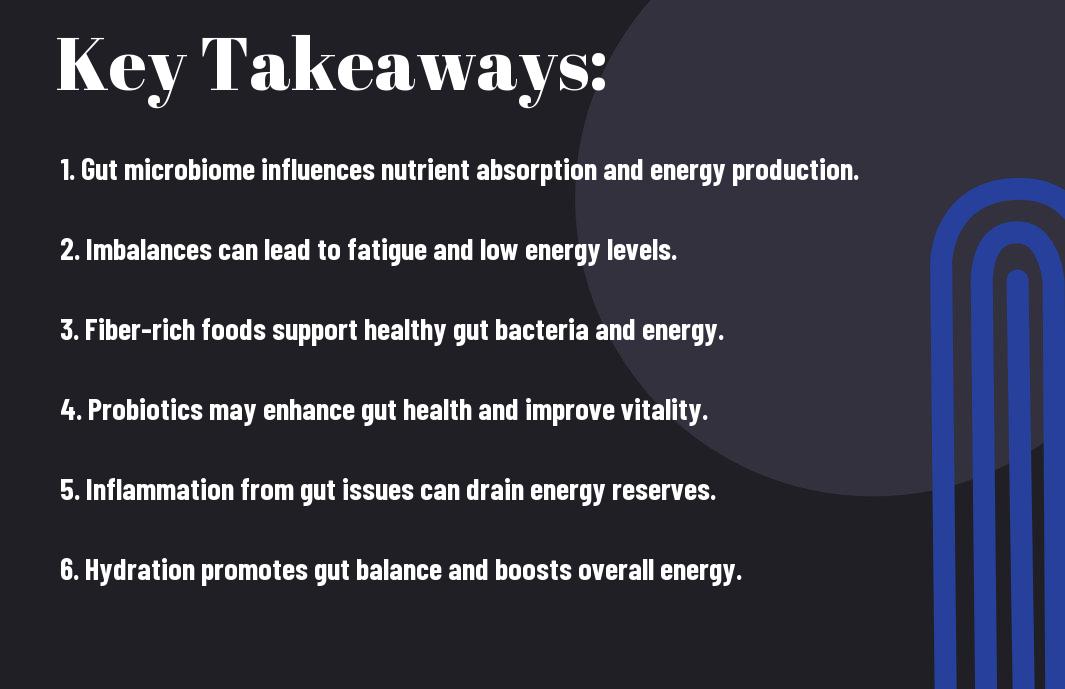
To wrap up, understanding the connection between gut health and energy levels can empower you to make informed choices about your diet and lifestyle. Your gut microbiome plays a significant role in nutrient absorption and overall vitality, influencing how energized you feel throughout the day. By prioritizing a balanced diet rich in fiber, probiotics, and hydration, you can enhance your gut health, ultimately boosting your energy levels and improving your overall well-being. Making these adjustments can lead to more vibrant and sustained energy in your daily life.
Q: How does gut health affect energy levels?
A: Gut health significantly influences energy levels because the gut microbiome plays a key role in digestion, nutrient absorption, and metabolism. A balanced gut microbiome helps break down food more efficiently, leading to better absorption of imperative nutrients like vitamins B12 and iron, which are vital for energy production. When gut health is compromised, it can lead to issues such as inflammation and fatigue, reducing overall energy levels.
Q: What are the signs that my gut health may be impacting my energy levels?
A: Some signs that gut health might be affecting your energy levels include persistent fatigue, difficulty concentrating, digestive issues (such as bloating, gas, or irregular bowel movements), and mood fluctuations. If you notice that you're frequently tired even after a good night's sleep, it may be worthwhile to evaluate your gut health, as imbalances in gut bacteria can play a significant role in your overall vitality.
Q: How can I improve my gut health to boost my energy levels?
A: To enhance gut health and potentially improve energy levels, consider incorporating more fiber-rich foods such as fruits, vegetables, and whole grains into your diet. Probiotics found in fermented foods like yogurt, kefir, and sauerkraut can help restore balance in the gut microbiome. Staying hydrated, managing stress, and limiting processed foods or excessive sugar can also contribute to better gut health. Regular physical activity is beneficial too, as it encourages healthy digestion and supports the growth of beneficial gut bacteria.
Recent Posts
It's important to evaluate whether Beachbody On Demand continues to meet your fitness needs as we enter 2025. With a range of workout programs and nutrition plans, the platform claims to cater to...
Just like having a personal trainer at your fingertips, Beachbody On Demand offers you an extensive library of on-demand workout programs accessible anytime, anywhere. This service allows you to...