
Just when you thought you understood weight loss, fitness myths can cloud your understanding. One of the most persistent myths is the idea of spot reduction, the concept that you can lose fat from specific areas by exercising those muscles. This idea is not only misleading but can also lead to frustration and ineffective workouts. In this post, you'll discover what scientific research really says about fat loss and why adopting a holistic approach is necessary for achieving your fitness goals. Let's investigate the facts and separate myth from reality.
Understanding Spot Reduction
Before stepping into the science, it's important to understand the concept of spot reduction. This common belief suggests that you can target specific areas of your body for fat loss through localized exercise. However, research shows that fat loss is a systemic process, not localized. For a deeper understanding, check out The Myths and Facts About Spot Reduction.
Definition and Common Misconceptions
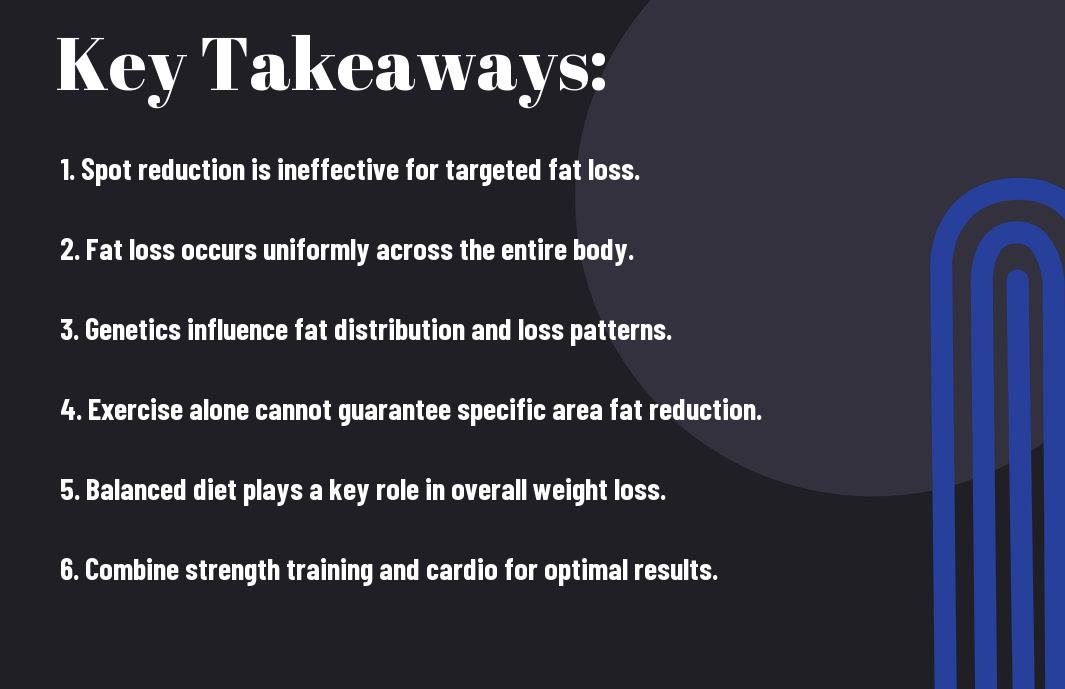
By believing in spot reduction, many think that performing exercises for a specific muscle group will eliminate fat from that area. This misconception leads to frustration when desired results aren't achieved. It's imperative to recognize that fat loss occurs uniformly across your body.
The Science Behind Fat Loss
Before you get lost in exercises targeting specific areas, it's vital to understand the science behind fat loss. Fat reduction happens through a calorie deficit, which means you need to burn more calories than you consume. This process involves metabolism and energy expenditure rather than merely engaging in local exercises.
Also, understanding that your body has its own way of deciding where to lose fat can help ease your frustration. Weight loss is influenced by genetics, hormonal balance, and overall lifestyle choices. Prioritize a balanced diet and regular physical activity for better results, rather than focusing solely on targeted workouts. Engaging in a combination of strength training and cardiovascular exercise will yield better fat loss results while improving your overall health and fitness levels.
The Role of Genetics in Fat Distribution
Some people may not realize how much genetics affects fat distribution in the body. Different individuals naturally store fat in varying areas, influenced by their genetic makeup. Understanding this can help you manage expectations in your fitness journey, as achieving specific fat loss in one area is largely unrealistic. For more insights, check out The Myth of Spot Reduction—And What Actually Works.
How Genetics Influences Body Fat Storage
At the core of your body's fat storage patterns lies your genetics, which dictate how and where you accumulate fat. These hereditary factors are influenced by numerous genes, affecting hormonal balance, metabolism, and even your likelihood of gaining weight in certain areas over others. This means that, while you can improve your overall fitness, your genetic predisposition will largely dictate your fat distribution.
Myths About Spot Reduction and Genetics
Before you get caught in the trap of believing that targeted exercises can change where you store fat, it's vital to understand the role your genetics play. While you might think training specific areas will lead to fat loss, genetics primarily influence your body's *natural* fat distribution. This means that, despite your best efforts in certain exercises, the areas in which you lose fat may not align with your expectations.
Even if you follow a rigorous workout and diet plan, it can be frustrating when you don't see fat loss in the areas you want. Your body might prioritize fat loss from different regions due to your genetic code. This does not mean your efforts are futile; rather, it's important to focus on overall body composition rather than pinpointing specific areas for fat reduction. Understanding these *genetic limitations* can lead to a healthier, more positive approach in your fitness journey, ensuring you celebrate progress in your holistic wellness, rather than just aesthetic changes.
Effective Approaches to Fat Loss
If you're looking to shed fat effectively, it's important to understand that fat loss occurs throughout your body, not just in targeted areas. This means a holistic approach is vital. By engaging in regular exercise combined with a balanced diet, you can create a calorie deficit that supports overall fat loss. Incorporate both strength training and cardiovascular workouts into your routine to boost your metabolism and enhance fat-burning efficiency.
Comprehensive Workout Strategies
Between incorporating diverse exercises and maintaining consistency, your workout strategies play a significant role in achieving fat loss. Aim for a mix of high-intensity interval training (HIIT) and steady-state cardio, as well as resistance training to build lean muscle mass. This varied approach not only keeps your workouts interesting but also maximizes fat reduction while improving your overall strength and endurance.
Importance of Nutrition in Overall Fitness
Approaches to fat loss are incomplete without considering the role of nutrition in your fitness journey. Your diet should provide the necessary fuel and nutrients to support your exercise regimen. Focusing on whole foods like fruits, vegetables, lean proteins, and healthy fats can enhance your performance and recovery, ultimately aiding in fat loss.
For instance, fueling your body with nutrient-dense foods can help you feel fuller for longer, reducing the chances of unhealthy snacking. Additionally, being mindful of your portion sizes and avoiding processed foods can lead to significantly better results in your fat-loss journey. Ensuring that you're meeting your macronutrient needs supports muscle maintenance while losing fat, leading to a healthier and more toned physique over time.
The Impact of Strength Training
Many people believe that strength training solely focuses on building muscle size, but it also has a significant impact on fat loss. By increasing your muscle mass, you can boost your metabolism, which means you'll burn more calories even at rest. This makes strength training an crucial component of any comprehensive fitness plan, especially if you're looking to reduce body fat and enhance overall body composition.
Building Muscle vs. Spot Reduction
Against the widespread myth of spot reduction, building muscle in a specific area does not necessarily lead to fat loss in that same area. While strength training will help you develop muscle, fat loss occurs uniformly throughout your body. Therefore, a focus on overall strength training, rather than isolated exercises, is more effective in achieving desired physique changes.
Optimal Training Techniques for Fat Loss
Before you investigate any fitness program, it's crucial to understand what training techniques are most beneficial for fat loss. Integrating high-intensity interval training (HIIT) with strength training allows you to maximize your calorie burn and improve your metabolic rate post-workout.
Spot reduction is a common misconception; effective fat loss requires a comprehensive approach. Combining strength training with high-intensity interval training can lead to remarkable results. Focus on compound movements which engage multiple muscle groups and promote higher calorie expenditure. Additionally, ensure your training is consistent and paired with a nutrient-rich diet to achieve your fat loss goals. Prioritize recovery and listen to your body, as this will enhance your performance and results over time.
Cardiovascular Exercise and Fat Loss
Your understanding of cardiovascular exercise is crucial for effective fat loss. While Why Spot Training (or Spot Reduction) Is a Myth, Explained, engaging in cardio can enhance overall fat burning. However, it's important to note that fat loss occurs throughout the body and not in targeted areas. Cardiovascular workouts, when combined with a balanced diet, can lead to significant improvements in your body composition.
Benefits of Cardio in Weight Management
Benefits of cardiovascular exercise extend beyond mere fat burning. Regular cardio workouts improve your cardiovascular health, boost metabolism, and enhance mood. They can also help regulate your appetite, making it easier for you to maintain a healthy weight. When incorporated into your fitness routine, cardio can be a powerful ally in achieving your weight management goals.
Myths About Cardio's Effectiveness
Among the common misconceptions is the belief that simply increasing your cardio workout guarantees weight loss. While cardio is an crucial component of any fitness plan, it must be coupled with proper nutrition to see lasting results. You cannot out-exercise a poor diet.
Cardiovascular exercise plays a significant role in your fitness journey, but it's important to understand its limitations. Some individuals think that performing excessive cardio will lead to maximum weight loss, but overtraining can lead to fatigue and injury. Additionally, focusing solely on cardio might limit your muscle gain, which is also vital for boosting your metabolism. To achieve optimal results, you should combine cardio with strength training and maintain a balanced diet for sustainable fat loss.

Realistic Expectations and Body Goals
To achieve lasting results, it's important to have realistic expectations about your body and fitness journey. Understanding that everyone's body responds differently to exercise and diet will help you set achievable goals. Instead of focusing solely on aesthetics, prioritize your overall health and well-being. Embrace incremental progress, as patience is key to long-term success in any fitness endeavor.
Healthy Body Image and Fitness
Among the many benefits of embracing a fitness journey is the opportunity to cultivate a healthy body image. It's vital to focus on what your body can do rather than solely how it looks. By appreciating your body's capabilities, you can foster a positive mindset that promotes self-confidence and encourages consistency in your fitness routine.
Setting Achievable Fitness Goals
The foundation of a successful fitness journey lies in setting achievable goals. You should aim for specific, measurable, attainable, relevant, and time-bound (SMART) objectives that align with your personal aspirations. These goals will guide you through your progress while preventing feelings of discouragement. Focus on gradual improvements to avoid injury and burnout, ensuring a sustainable path to fitness.
With SMART goals, you can create a roadmap that leads to success in your fitness journey. Break down your goals into manageable steps to track your progress effectively. Setting deadlines and regularly assessing your achievements will keep you motivated and accountable. Emphasizing realistic milestones helps you maintain motivation, mitigating frustration and enhancing your overall fitness experience. Most importantly, this approach allows you to celebrate your accomplishments, no matter how small, fostering a positive relationship with your body and your fitness journey.
To wrap up
Following this examination of fitness myths, it's clear that spot reduction is not a viable approach for fat loss. Instead, focus on a balanced diet and a comprehensive exercise routine that promotes overall body fat reduction. Understanding that fat loss occurs uniformly will empower you to create a more effective and sustainable fitness plan. By aligning your expectations with scientific evidence, you can achieve your goals in a healthy and informed manner.
FAQ
Q: What is spot reduction and why is it considered a myth?
A: Spot reduction refers to the idea that you can lose fat in specific areas of your body by targeting those areas with certain exercises. For example, many people believe that doing a lot of abdominal exercises will lead to fat loss in the belly region. However, scientific research shows that fat loss occurs uniformly throughout the body and is influenced by overall calorie balance and genetics, rather than targeted exercise. Therefore, focusing solely on one area won't yield significant fat loss in that specific region.
Q: Are there any effective ways to improve muscle tone in specific areas if spot reduction is a myth?
A: While spot reduction is a myth, strengthening exercises can help improve muscle tone in specific areas. Engaging in resistance training or targeted exercises for particular muscle groups can increase muscle size and definition, making those areas appear firmer. However, it is important to combine these exercises with overall fat-loss strategies, such as a healthy diet and regular cardiovascular activity, to see visible results in muscle tone.
Q: What role does overall body fat percentage play in achieving a toned appearance?
A: Overall body fat percentage is a significant factor in achieving a toned appearance. Even with strong muscles, if there is a layer of fat covering them, they may not be visible. To enhance muscle definition and achieve a more toned look, individuals should focus on reducing their overall body fat through a combination of a balanced diet, aerobic exercise, and strength training. As body fat decreases, the underlying muscles become more visible, leading to the desired appearance without the misconception of spot reduction.
Recent Posts
It's important to evaluate whether Beachbody On Demand continues to meet your fitness needs as we enter 2025. With a range of workout programs and nutrition plans, the platform claims to cater to...
Just like having a personal trainer at your fingertips, Beachbody On Demand offers you an extensive library of on-demand workout programs accessible anytime, anywhere. This service allows you to...