
Ever wondered why the conventional deadlift is so good for building strength? It's because it works many muscle groups at once. This guide will show you which muscles get worked during a deadlift, like the hamstrings, glutes, quads, lats, traps, and erector spinae. Knowing which muscles are involved can help you get stronger and perform better in sports.
Key Takeaways
- The conventional deadlift is a powerful compound exercise.
- It significantly engages deadlift back muscles and leg muscles.
- Hamstring activation is crucial for proper form and strength development.
- A thorough understanding of the muscles worked can enhance lifting technique.
- Improving your deadlift can lead to increased overall athletic performance.
Introduction to the Conventional Deadlift
The conventional deadlift is a key exercise in strength training. It shows how well a lifter can lift a barbell from the ground to hip level. This lifting technique works many muscle groups at once, making it efficient and effective.
It's been a powerful move for athletes worldwide for centuries. They use it to build raw strength.
Learning the conventional deadlift boosts your physical skills. It works your core, glutes, hamstrings, and back. This exercise is key for everyday strength. It's a great first step for beginners to move on to more complex lifts.
Knowing how to do the conventional deadlift safely cuts down on injury risks and boosts performance. Adding this lift to your routine brings big benefits. It's a must for anyone looking to improve their strength training.
Benefits of the Conventional Deadlift
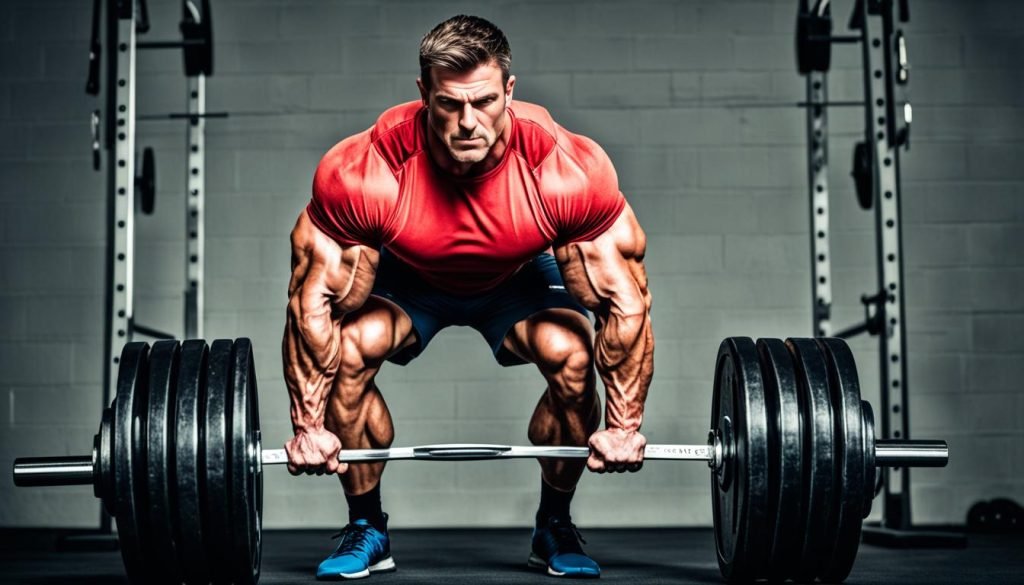
The conventional deadlift is a top exercise for building strength. It works many muscle groups at once. This makes it great for improving strength in the lower back, glutes, hamstrings, and quadriceps.
It's a compound movement that helps build a strong base. This is key for better athletic performance and everyday movements.
Deadlifts also focus on core strength. A strong core keeps your body stable during the lift. This helps with posture and lowers the chance of getting hurt.
This stability is important for many activities. So, building core strength with deadlifts is very important.
Deadlifts also work on muscle balance. This balance is key to avoiding injuries. By focusing on these muscles, you get a balanced fitness level. This supports both functional strength and endurance.
The conventional deadlift is a key exercise for anyone wanting to improve their fitness. It's efficient and effective.
| Benefit | Description |
|---|---|
| Strength Improvement | Engages multiple muscle groups for efficient strength gains. |
| Core Engagement | Enhances core stability, reducing injury risk and improving posture. |
| Posterior Chain Activation | Develops strength in the lower back, glutes, and hamstrings. |
| Functional Strength | Builds strength applicable to daily activities and athletic performance. |
Understanding the Conventional Deadlift Muscles Worked
The conventional deadlift is a key exercise that works many major muscle groups. Knowing which muscles are active helps athletes improve their training and results. This part looks at the main muscles involved in this important lift.
Major Muscle Groups Engaged
The deadlift is a full-body exercise that focuses on several muscle groups, including:
- Quadriceps
- Hamstrings
- Glutes
- Erector spinae
- Core musculature
Role of the Posterior Chain
The posterior chain is key for doing deadlifts right. It includes the hamstrings, glutes, and lower back. These muscles help with hip extension and keeping stable. Activating the posterior chain boosts performance and lowers injury risk.
Deadlift Back Muscles and Leg Muscles Involved
In the deadlift, back and leg muscles work together to lift the weight safely. The erector spinae keeps the spine stable. *Hamstring activation* happens as the lift goes on. *Glute engagement* is crucial as you move from the start to standing upright. These muscles help make lifting powerful and efficient.
| Muscle Group | Function | Activation Phase |
|---|---|---|
| Quadriceps | Knee extension | Initial lifting phase |
| Hamstrings | Hip extension and knee flexion | Throughout the lift |
| Glutes | Hip extension | Final lift phase |
| Erector Spinae | Spinal support | All phases |
| Core Muscles | Stability and control | All phases |
Deadlift Technique and Proper Form
Learning the right deadlift technique is key for getting stronger and lifting safely. Start by placing the barbell right over your midfoot. This helps with your lifting mechanics. Hold the bar with your hands shoulder-width apart for better leverage and control.
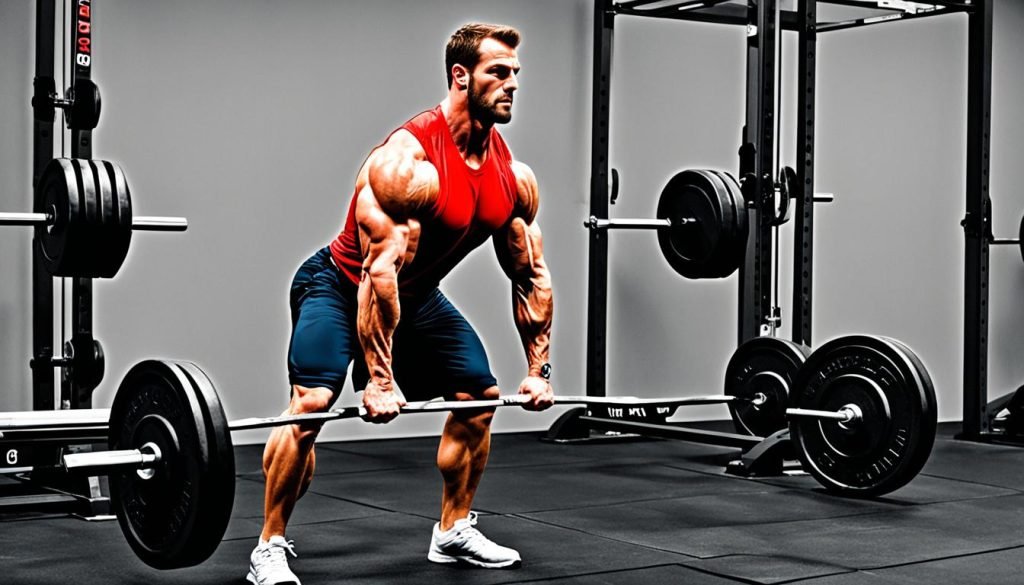
It's important to lower your torso the right way. Use a hip hinge to keep your back straight. This reduces strain on your spine. Keeping your core engaged helps with stability and supports good lifting mechanics. This is crucial for safety and doing well.
Let's look at the deadlift in three parts:
- Initial Lift: This first step is about lifting the bar off the ground and getting your muscles ready.
- Stabilization: Keep your core and legs tight to balance your body and keep proper form.
- Lowering: Bring the bar back down to the ground by reversing your lift. Control your descent to avoid getting hurt.
Focus on these steps to make sure your deadlifting is safe and effective. This approach will improve your performance and help you train without getting injured.
Common Mistakes and How to Avoid Them
Many lifters make mistakes that hurt their performance and raise injury risks. Rounding the back during a lift is a big mistake. It puts too much stress on the spine, leading to injuries. Keeping the spine neutral is key for safety and doing well.
Using a stance that's too wide is another mistake. Some think it works more muscles, but it can make you unstable and mess up your form. A stance as wide as your shoulders is safer and more effective for most people.
It's important to engage your core for a stable lift. Not doing this can lead to bad lifting habits and injuries. Make sure to warm up and do exercises that help your hips and hamstrings move well. This will help your technique and prevent injuries.
Knowing about these common mistakes is key to doing well and staying healthy. Getting advice from experienced lifters or coaches can help you fix these issues. This will improve your deadlifting skills.

| Common Mistakes | Impact on Performance | Prevention Methods |
|---|---|---|
| Rounding the back | Increases risk of spinal injury | Focus on maintaining a neutral spine |
| Overly wide stance | Can cause instability | Opt for a shoulder-width stance |
| Not engaging the core | Leads to improper lifting mechanics | Incorporate core strengthening exercises |
| Skipping warm-ups | Increases chances of injuries | Include mobility exercises in routine |
Conclusion
The conventional deadlift is more than just a strength builder. It helps improve your posture and core stability. It also works many muscle groups at once.
Learning about the deadlift's anatomy helps you see its many benefits. This exercise is great for your health and fitness.
Proper technique is crucial for getting the most out of the deadlift. It helps you lift safely and avoid injuries. It's important for everyone, whether you're new or experienced.
Adding the deadlift to your workouts does more than build strength. It makes you fitter for everyday life. It's a key exercise for anyone wanting to improve their fitness.
FAQ
What muscles are primarily worked during a conventional deadlift?
The conventional deadlift works many muscles, like the hamstrings, glutes, and quadriceps. It also engages the lats, traps, and erector spinae. This exercise strengthens the entire back side, helping with overall strength.
How does the deadlift help improve core strength?
Deadlifts need core strength to keep the spine stable. Using the abs during the lift helps keep form right, lowers injury risk, and boosts core strength.
What are the benefits of performing conventional deadlifts?
Deadlifts increase muscle strength and activate the back muscles. They also improve core stability and posture. This exercise is great for everyday tasks and sports.
Can performing deadlifts lead to injury if not done correctly?
Yes, lifting wrong can cause injuries. Mistakes include rounding the back or not using the core. Using the right technique and knowing common mistakes can lower injury risk.
What is the significance of hamstring activation in the deadlift?
Hamstrings are key in the deadlift for hip extension and lower body stability. They help keep the lift right and prevent injuries.
How does glute engagement factor into the conventional deadlift?
Glutes are crucial for a good deadlift. They help push the hips forward at the top, improving stability and strength. This makes lifting better.
What are the key components of proper deadlift technique?
Good deadlift technique means placing the barbell on the midfoot and keeping the back straight. Use a shoulder-width grip and hinge at the hips. Keep the core tight for safety and better lifting.
Source Links
- The Ultimate Guide to Proper Deadlift Technique | Muscle & Motion – https://www.muscleandmotion.com/guide-to-proper-deadlift/
- How to Deadlift: Muscles Worked & Proper Form – https://www.strengthlog.com/deadlift/
- Deadlift Muscles Worked | Garage Gym Reviews – https://www.garagegymreviews.com/deadlift-muscles-worked
Recent Posts
It's important to evaluate whether Beachbody On Demand continues to meet your fitness needs as we enter 2025. With a range of workout programs and nutrition plans, the platform claims to cater to...
Just like having a personal trainer at your fingertips, Beachbody On Demand offers you an extensive library of on-demand workout programs accessible anytime, anywhere. This service allows you to...