Just as your body requires food and water, your mind needs effective strategies to manage stress. Utilizing breathing techniques can significantly lower your stress levels without the need for meditation, enabling you to regain control over your feelings. These methods enhance oxygen flow and stimulate relaxation responses in your body, all while being easily accessible. Some effective techniques include deep breathing, 4-7-8 breathing, and box breathing. For more insights, check out the Six relaxation techniques to reduce stress.
Understanding Stress and Its Impact
To navigate the complexities of daily life, it's vital to understand stress and its impact on your body and mind. Stress is a natural response to challenging situations, but when it becomes chronic, it can lead to various health issues. By being aware of how stress affects you, you can take proactive steps to manage and alleviate its effects, ultimately enhancing your overall well-being.
Physical Effects of Stress
Stress can manifest physically through symptoms such as increased heart rate, muscle tension, and fatigue. Your body releases stress hormones like cortisol, which, when elevated for extended periods, can lead to significant health problems. Managing these physical effects is vital for maintaining your vitality and preventing long-term health complications.
Mental and Emotional Consequences
Before you realize it, stress can take a toll on your mental and emotional state, leading to anxiety, irritability, and even depression. It's important to recognize these signs early, as they can affect your relationships and overall quality of life.
Also, the emotional weight of stress can create feelings of overwhelm and helplessness. When you experience prolonged stress, it may lead to negative thought patterns that not only hinder your productivity but also impact your self-esteem and social interactions. Acknowledging these emotional consequences is key; taking steps to address them can foster resilience and promote a more positive outlook on life.
The Importance of Breathing
It's easy to overlook the significance of breathing in our daily lives. However, the way you breathe can profoundly impact your mental and physical well-being. Deep, controlled breathing not only promotes relaxation but also enhances your overall health. By fostering a deeper connection to your breath, you can better manage stress and improve your emotional resilience, making it an indispensable tool in your journey toward a more balanced life.
Connection Between Breath and Stress Response
At moments of stress, your breathing often becomes shallow and rapid, signaling your body to enter fight-or-flight mode. This response prompts your body to release stress hormones, which can escalate feelings of anxiety and tension. By consciously regulating your breath, you can interrupt this response and promote a state of calm, allowing you to cope more effectively with stressful situations.
How Breathing Influences the Nervous System
After understanding the importance of breath in stress management, it's crucial to recognize how your breathing patterns directly affect your nervous system. Deep, slow breathing activates your parasympathetic nervous system, which induces relaxation and reduces feelings of tension. Conversely, shallow, rapid breaths can maintain or amplify states of stress, keeping you in a loop of anxiety. By actively engaging in controlled breathing, you can shift your nervous system towards a state of balance and peace.
Even simple techniques like diaphragmatic breathing can significantly impact your brain's stress response. By focusing on slow, deep inhales and exhales, you stimulate the vagus nerve, promoting a state of calm and triggering a relaxation response throughout your body. This shift can lower your heart rate, reduce blood pressure, and enhance your overall sense of well-being. Consistent practice of these techniques can offer a powerful way to manage stress, improve your emotional resilience, and foster a healthier relationship with your body and mind.
Breathing Techniques for Stress Relief
Even in the busiest moments, you can find immediate relief from stress through effective breathing techniques. Incorporating these practices into your daily routine can provide you with a sense of calm and balance. Explore 3 breathing exercises to relieve stress that will help you regain control and enhance your overall well-being.
Diaphragmatic Breathing
Diaphragmatic breathing, also known as abdominal or belly breathing, helps you engage your diaphragm fully. By inhaling deeply through your nose and allowing your belly to rise, you increase oxygen intake and trigger a relaxation response in your body. This technique is effective in reducing anxiety and improving emotional regulation, making it a valuable tool for stress relief.
4-7-8 Breathing Technique
Against the backdrop of daily stressors, the 4-7-8 breathing technique offers a structured way to calm your mind. Inhale through your nose for a count of four, hold the breath for seven counts, and then exhale through your mouth for eight counts. This rhythmic cycle promotes relaxation and helps to lower blood pressure, making it an excellent practice for stress management.
Breathing effectively during the 4-7-8 technique not only encourages relaxation but also enhances your lung capacity. By focusing on using your full breath, you can create a sense of tranquility and mindfulness. Over time, this practice can significantly reduce feelings of anxiety while improving your overall emotional resilience.
Box Breathing
Techniques like Box Breathing can help you regain focus in moments of tension. This method involves inhaling for a count of four, holding the breath for another four, exhaling for four, and holding again for four counts. The structured nature of Box Breathing allows you to center your thoughts and promote a serene state of mind.
Also beneficial for high-pressure situations, Box Breathing can help you calm your nerves and enhance your concentration. By creating a rhythm in your breath, this technique encourages a powerful connection between your body and mind, making it easier for you to tackle stress effectively throughout your day.
Incorporating Breathing Techniques into Daily Life
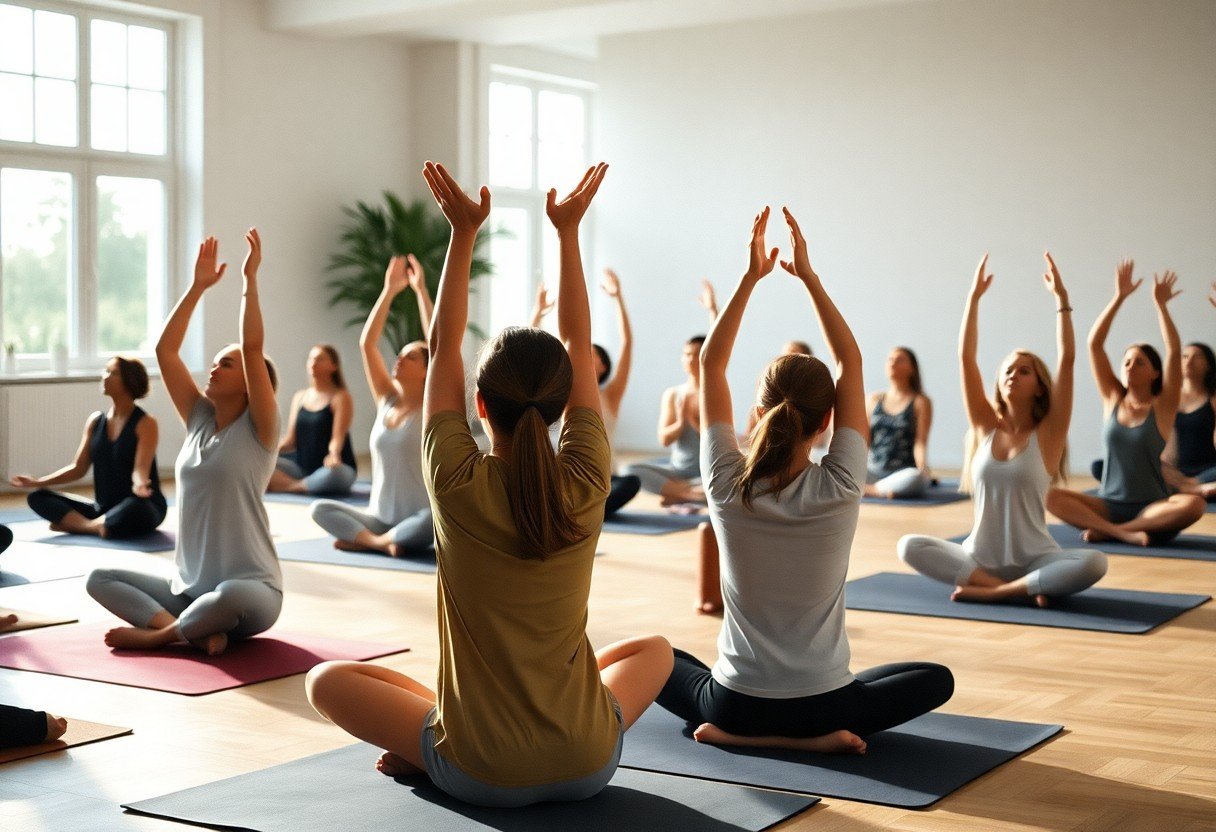
All you need to do is integrate simple breathing techniques into your daily routine. Whether you are commuting, at your desk, or preparing for a meeting, find opportunities to practice your breathing skills. These moments can transform stress into calmness and allow you to approach your tasks with a clear mind, enhancing your overall well-being.
Practical Tips for Beginners
Beside creating a stress-free environment, start your journey with these helpful tips:
- Focus on deep breathing rather than shallow breaths.
- Practice the 4-7-8 technique by inhaling for 4 seconds, holding for 7, and exhaling for 8.
- Utilize guided breathing apps for support.
Knowing that consistency is key will help you effectively manage your stress.
Building a Routine
Life becomes easier when you establish a routine around your breathing techniques. Set aside specific times during your day, like morning or evening, to practice. Pair these sessions with existing habits, such as drinking your coffee or winding down before bed, ensuring that you integrate this practice seamlessly into your life.
Breathing regularly activates your body's relaxation response, decreasing anxiety and promoting healthier emotional balance. Aim for a minimum of five minutes a day, making it part of your vital self-care. The positive effects will compound as you build this routine, leading to enhanced mental clarity and emotional resilience. As you progress, you might discover that these techniques not only reduce stress but also improve your overall quality of life.
Benefits Beyond Stress Relief
Once again, breathing techniques extend beyond merely alleviating stress. They can enhance your overall well-being by fostering better emotional regulation, improving your resilience to challenging situations, and promoting healthier relationships. By integrating these practices into your daily routine, you not only cultivate a sense of calm but also unlock a range of benefits that contribute positively to your quality of life.
Enhanced Focus and Clarity
On practicing specific breathing techniques, you can improve your concentration and mental clarity. By increasing oxygen flow to your brain and calming the nervous system, you create an ideal condition for sharp focus. This heightened state of awareness allows you to tackle tasks more effectively and think critically, giving you a significant advantage in both personal and professional settings.
Improved Physical Health
Stress negatively impacts your physical health, leading to issues like high blood pressure and weakened immunity. Stress disrupts your body's natural functions, making you more susceptible to illness. However, when you practice breathing techniques regularly, you can lower cortisol levels and promote better overall health. This leads to enhanced energy levels, improved digestion, and a stronger immune response.
Enhanced breathing techniques contribute directly to your physical health by promoting better oxygenation of your blood and enhancing circulation. This results in more energy, which can help you feel more active and engaged in daily life. Regular practice can also aid in reducing inflammation in the body, leading to a greater sense of well-being and vitality. Over time, these improvements can significantly decrease your risk of chronic diseases, making it a powerful approach to maintaining health.
Frequently Asked Questions
For those curious about the effectiveness of breathing techniques, it's common to wonder how they compare to more traditional practices. You can find valuable insights in 6 Ways to Calm Your Mind Without Meditation, which discusses various methods to soothe your mind without the need for meditation.
Can Breathing Techniques Replace Meditation?
Behind the scenes, many individuals find that breathing techniques can be *an excellent adjunct to meditation* rather than a complete substitute. While they can effectively reduce stress and promote relaxation, the depth and mindfulness achieved through meditation often provide additional psychological benefits that plain breathing may not fully replicate.
How Long Should I Practice These Techniques?
By dedicating just a few minutes daily to your breathing techniques, you can significantly enhance your overall well-being. It's important to find a duration that suits your lifestyle, and even short sessions can have a beneficial impact. Aim for at least five minutes each day, gradually increasing the time as you become more comfortable.
Another approach is to integrate breathing techniques into your daily routine whenever you experience stress. *Consistent practice* is key to achieving the best results. Try utilizing these techniques during moments of heightened anxiety, allowing yourself to focus entirely on your breath. This immediate practice can lead to *positive shifts in your mood and stress levels*. Even just a couple of deep breaths can have *remarkable effects* on your sense of calm, making it a valuable tool in your stress management toolkit.
To wrap up
From above, you have learned various breathing techniques that can effectively reduce stress without necessitating meditation. By incorporating practices such as diaphragmatic breathing, box breathing, and the 4-7-8 method into your daily routine, you can enhance your ability to manage stress in moments of tension. These simple yet powerful techniques can help you regain control over your emotions and promote a sense of calm. Experiment with these methods to find what works best for you, making it easier to navigate life's challenges with greater ease.
FAQ
Q: What are some effective breathing techniques to reduce stress without meditation?
A: There are several effective breathing techniques that can help alleviate stress without the need for meditation. One popular method is diaphragmatic breathing, where you inhale deeply through your nose, allowing your abdomen to expand, and then exhale slowly through your mouth. Another technique is the 4-7-8 breathing method, which involves inhaling for a count of 4, holding the breath for a count of 7, and exhaling for a count of 8. These methods can help calm your nervous system, reduce anxiety, and promote relaxation.
Q: How does breath control influence stress levels?
A: Breath control plays a significant role in managing stress levels. When you experience stress, your breathing often becomes shallow and rapid, which can exacerbate feelings of anxiety. By practicing controlled breathing techniques, you can activate the body's relaxation response, leading to a lower heart rate and decreased cortisol levels. This physiological change can create a sense of calm and clarity, helping you to cope with stress more effectively.
Q: Can I use breathing techniques in everyday situations?
A: Absolutely! Breathing techniques can be easily integrated into daily life. You can use them during stressful moments, such as before a meeting or while waiting in a long line. For instance, practicing the 5-5-5 technique, where you inhale for a count of 5, hold for a count of 5, and exhale for a count of 5, can be done discreetly and can provide immediate relief. Incorporating brief moments of focused breathing throughout your day can help maintain a sense of calm and well-being.
Recent Posts
It's important to evaluate whether Beachbody On Demand continues to meet your fitness needs as we enter 2025. With a range of workout programs and nutrition plans, the platform claims to cater to...
Just like having a personal trainer at your fingertips, Beachbody On Demand offers you an extensive library of on-demand workout programs accessible anytime, anywhere. This service allows you to...